
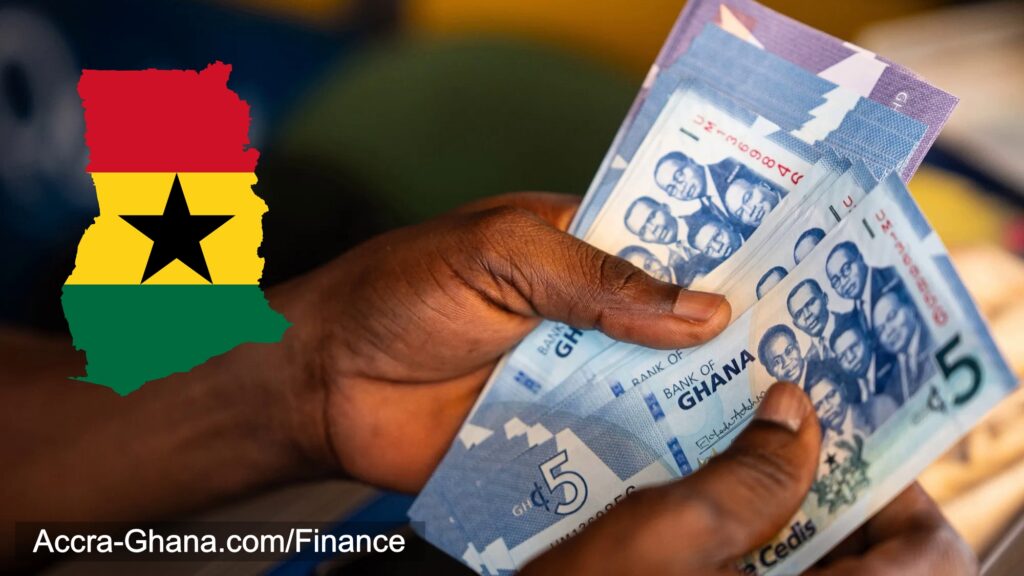
Finance in Ghana tells a story far beyond banks and balance sheets—it reflects the daily struggle, resilience, and survival instincts of millions. From the volatile Ghanaian cedi to rising inflation and unpredictable interest rates, managing money has become a constant challenge. Institutions like the Bank of Ghana attempt to stabilize the system, but everyday Ghanaians rely heavily on informal solutions and mobile money platforms. In this complex financial landscape, understanding how money moves, grows, and sometimes disappears is essential for anyone looking to grasp the true economic reality of Ghana today.
The Truth About Money in Ghana
Finance in Ghana is not some clean spreadsheet sitting in an air conditioned office waiting to be analyzed by economists in suits. It is loud, chaotic, emotional, and deeply personal. Every cedi earned has a story, and every loss feels like betrayal. The Ghanaian cedi does not just fluctuate, it plays with people’s sanity. One day you feel stable, the next day inflation humbles you like an unpaid landlord banging on your door. This is not an economy you casually observe. This is an economy you survive, one transaction, one hustle, and one prayer at a time.
The Ghanaian Cedi and Its Complicated Relationship with Stability
The Ghanaian cedi behaves like that unpredictable family member who promises change every year but shows up worse each time. Inflation eats into salaries before workers even smell their money, and savings quietly lose value like ice melting under the Accra sun. You can plan your finances in January and by June the plan is already outdated. This instability forces people to think short term, because long term planning feels like betting on a football match where the referee is also confused. In Ghana, money does not just move, it disappears, stretches, and sometimes mocks you.
The Role of the Bank of Ghana in a Shaky System
At the center of this financial drama sits the Bank of Ghana, the institution expected to bring order into what often feels like organized confusion. Policies are announced, interest rates are adjusted, and statements are made to calm markets. But on the streets of Accra, people measure success differently. They ask simple questions. Can I afford food this week. Can I pay rent without borrowing. The gap between policy and reality is wide, and sometimes it feels like the solutions exist in reports rather than in people’s lives. Stability is promised, but everyday experience tells a different story.
Banking in Ghana Feels Like a Luxury Not a Lifeline
Walk into a bank in Ghana and you might think you have entered a system designed for the few, not the many. Formal banking exists, but trust is fragile. High interest rates make loans feel like punishment instead of opportunity. You borrow to grow your business and end up working just to service debt. For many, banks are not partners in progress but institutions that speak a language disconnected from survival. This is why people hesitate. This is why many choose alternative routes. Because when the system feels expensive and distant, people naturally look for something closer and more forgiving.
Mobile Money Became the Real Bank of the People
While traditional banks were busy being complicated, platforms like MTN MoMo quietly took over the streets. This is where real finance happens now. From market women to young entrepreneurs, mobile money has become the heartbeat of transactions. It is fast, accessible, and does not judge your account balance. You do not need a suit, a minimum deposit, or patience for long queues. Just a phone and a network signal. In many ways, mobile money succeeded because it understood the reality of Ghanaian life better than formal institutions ever did. It brought finance down to street level.
The Harsh Reality of Credit and Interest Rates
Credit in Ghana can feel like a trap disguised as help. Interest rates are high enough to make even confident entrepreneurs hesitate. You take a loan hoping to expand your business, but repayment terms quickly turn that hope into stress. Many small businesses collapse not because they lack customers or ideas, but because financing becomes unbearable. It is like trying to climb a hill while carrying someone else’s weight on your back. The system does not just challenge ambition, it tests endurance. And in that test, many fall, not because they are weak, but because the conditions are unforgiving.
IMF Influence and the Weight of Economic Decisions
Ghana’s financial story cannot be told without mentioning the International Monetary Fund, the global institution that steps in when things get too heavy to carry alone. Bailouts come with conditions that sound reasonable on paper but feel harsh in everyday life. Taxes increase, spending is reduced, and citizens are asked to tighten belts that are already suffocating. It is like being told to diet when you are already starving. These interventions aim to stabilize the economy, but the burden often falls on ordinary people who are simply trying to survive another day.
Informal Finance Is the Invisible Backbone of Ghana
Beyond banks and policies lies a hidden financial world that truly keeps Ghana alive. Susu collectors, family contributions, rotating savings groups, and diaspora remittances form a parallel system that rarely gets recognition. This is where trust lives. This is where people turn when formal systems fail them. Money is saved, borrowed, and shared through relationships, not paperwork. It is not perfect, but it works because it understands people. In Ghana, finance is not only about institutions. It is about community. And sometimes, community succeeds where structure fails.
Everyday Hustle Defines Financial Life in Accra
In Accra, finance is not passive. Nobody sits back and waits for stability. People hustle, adapt, and improvise constantly. One person is running three income streams just to stay afloat. Another is juggling debts while pretending everything is fine. The city moves fast because standing still is dangerous. Prices rise without warning, opportunities appear and disappear quickly, and survival requires alertness. Finance here is not theory. It is action. It is risk. It is waking up every day and figuring out how to win, even when the system seems designed for you to lose.
The Future of Finance in Ghana Is Uncertain but Relentless
Despite all the instability, there is something powerful about Ghana’s financial reality. It refuses to collapse completely because the people refuse to stop adapting. The Ghanaian cedi may struggle, policies may disappoint, and systems may feel broken, but the human spirit keeps pushing forward. Innovation continues, informal systems evolve, and new opportunities emerge in unexpected places. The future is uncertain, but one thing is clear. Ghana’s financial story will not be written by institutions alone. It will be written by the everyday people who refuse to give up, no matter how hard the system fights them.
Conclusion and reminder about Finance in Ghana
Finance in Ghana ultimately reflects a system where uncertainty meets resilience in everyday life. The instability of the Ghanaian cedi and persistent inflation continue to challenge long term financial security. Efforts by the Bank of Ghana provide some structure, but many citizens still rely on informal networks and mobile solutions like MTN MoMo to survive. Access to affordable credit remains limited, slowing business growth and innovation. Despite these obstacles, the determination of Ghanaians drives the economy forward, proving that human adaptability often matters more than financial systems.