
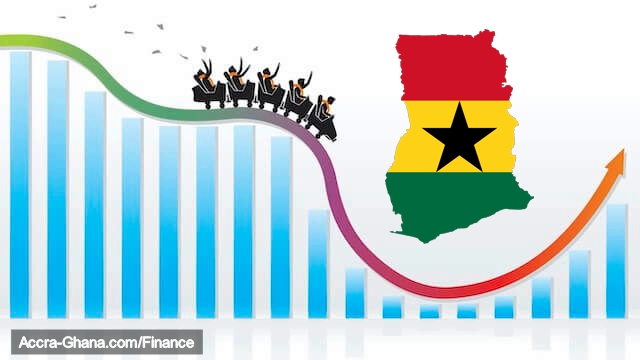
Ghana is often marketed as a land of opportunity, freedom, and cultural reconnection, especially for diaspora returning to Accra in search of a better life. But beneath the surface of this attractive narrative lies a harsh financial reality that many people are not prepared for. Living and earning in Ghana can feel like riding a rollercoaster, where income is unpredictable, opportunities shift quickly, and stability is never guaranteed. This article explores the real truth about financial survival in Accra, exposing the hidden struggles, unstable income streams, and constant need to adapt that define everyday life for many residents.
The Truth Nobody Tells You About Living and Earning in Accra
There is a dangerous lie floating around the internet like the smell of fried kelewele at midnight in Osu—the idea that moving to Ghana is some kind of financial liberation story where everything magically falls into place. The truth is far less romantic and far more chaotic. Ghana is not a soft landing; it is a financial rollercoaster with no seatbelt, and if you don’t understand how money actually works here, it will humble you faster than a broken trotro on the Circle road. This is not about discouraging anyone from coming to Accra. It is about exposing the reality that many people hide behind curated YouTube thumbnails and filtered Instagram stories. Because behind the smiles and sunsets, there is a silent hustle that never sleeps.
The Illusion of Easy Income in Ghana
One of the biggest misconceptions about living in Ghana is that once you arrive, income will somehow “figure itself out.” That illusion has trapped many people, especially those coming from Europe or the United States with savings and optimism. The assumption is that rental income, remote work, or a small business will carry you comfortably. But Ghana has a way of exposing weak financial plans. Income streams that seem stable abroad can collapse the moment you are no longer physically present to manage them. Systems behave differently, accountability changes, and suddenly the money you thought was guaranteed starts behaving like harmattan rain—unpredictable and unreliable. What looked like a solid plan quickly turns into a financial guessing game.
Entrepreneurship in Accra Is Not Glamorous
In Accra, everyone loves to call themselves an entrepreneur, but very few talk about what that actually means on the ground. Entrepreneurship here is not about boss life aesthetics and motivational quotes. It is about waking up every day to uncertainty, juggling multiple income streams, and constantly adapting to survive. One month, you might make thousands. The next month, you might barely make anything. That is the rhythm of doing business in Ghana. There is no steady flow unless you build something extremely resilient, and even then, external factors can disrupt everything. The reality is messy, exhausting, and often emotionally draining, especially when people depend on you financially.
When One Income Stream Fails, Everything Shakes
Relying on a single source of income in Ghana is like building a house on sand near the ocean—it might stand for a while, but eventually, it will collapse. Many people come with one main plan: rental income, YouTube revenue, blogging, or a small business. But Ghana does not reward single-stream thinking. The moment that one source weakens, your entire financial structure starts shaking. This is why survival in Accra often depends on diversification. People are not doing multiple things because they are ambitious; they are doing it because they have no choice. It is a strategy born out of necessity, not luxury.
The Brutal Reality of Online Income
Online income streams like blogging and YouTube are often seen as the ultimate escape plan, especially for those relocating to Ghana. But what many people fail to understand is that these platforms are controlled by systems you do not own. Algorithms change, visibility drops, and income can disappear overnight. One day you are earning comfortably, and the next day you are refreshing your analytics in panic. Ghana amplifies this instability because you are relying on that income to survive locally. When global platforms shift, the impact is not just digital—it becomes deeply personal. Rent, food, construction projects, and family responsibilities are all tied to systems you cannot control.
Building a Life While Fighting Financial Instability
Trying to build a life in Ghana while dealing with unstable income is a special kind of stress that many people are not prepared for. Imagine raising children, managing household expenses, investing in property, and still trying to figure out where your next consistent income will come from. That is the reality for many people living in Accra today. It is not just about making money; it is about maintaining stability in an environment where stability is constantly under threat. The pressure builds quietly, and over time, it forces you to make tough decisions, rethink your plans, and sometimes start over completely.
Passion Does Not Pay Bills in Ghana
There is a popular belief that if you follow your passion, the money will follow. In Ghana, that belief can be financially dangerous. Passion is important, but it does not guarantee income—especially not immediately. Many people invest time and energy into projects they love, only to realize that those projects are not financially sustainable in the short term. Ghana forces you to separate passion from survival. You may love what you do, but if it is not generating income, you will need something else that does. This is where many people struggle, because the emotional attachment to passion projects can delay practical financial decisions.
The Constant Need to Pivot and Adapt
If there is one skill that Ghana demands from anyone trying to succeed financially, it is adaptability. Plans will fail. Strategies will collapse. Opportunities will disappear. And when they do, you cannot afford to stay stuck. You have to pivot—quickly and often. This constant need to adjust can be exhausting, but it is also what separates those who survive from those who leave. Ghana does not reward rigidity. It rewards those who can read the environment, respond to change, and reinvent themselves when necessary. It is not about having the perfect plan; it is about being flexible enough to survive imperfect realities.
The Hidden Struggles Nobody Posts Online
Social media has created a version of Ghana that is polished, attractive, and deeply misleading. People show the highlights—the new house, the business launch, the lifestyle—but they rarely show the struggles behind those moments. The sleepless nights, the financial stress, the failed ventures, and the constant uncertainty are often hidden. This creates a false narrative that misleads others into thinking that success in Ghana is straightforward. In reality, many people are struggling quietly, trying to maintain appearances while dealing with serious financial challenges. The silence around these struggles is what makes the reality even more difficult for newcomers to understand.
The Real Truth About Surviving Financially in Accra
The truth about living and earning in Accra is not pretty, but it is necessary. Ghana will test your financial intelligence, your resilience, and your ability to adapt. It will force you out of your comfort zone and challenge everything you thought you knew about money and stability. But for those who learn to navigate its unpredictability, there is also opportunity. Not easy opportunity, but hard-earned, hard-fought progress. Surviving financially in Ghana is not about luck. It is about strategy, awareness, and the willingness to keep going even when things fall apart. Because in Accra, survival itself is a form of success—and anyone who tells you otherwise is either selling a dream or hiding the truth.
Conclusion and Reminder about Ghana
In the end, Ghana is not a place where financial success happens by accident—it demands strategy, resilience, and constant adaptation. Accra, in particular, will test your assumptions about money, stability, and independence in ways that many people are not prepared for. The dream of an easier life can quickly turn into a struggle if you rely on weak plans or single income streams. However, for those willing to learn, adjust, and build multiple pathways to income, there is still opportunity. The key is understanding the reality early and preparing for it. In Ghana, survival is earned—and long-term success is built through persistence and awareness.